Our Products
Discover our diverse range of offerings, including facsimiles, replicas, gigapixel artworks, museum guides, high-quality art books, and unique merchandise. Immerse yourself in the world of beautiful manuscripts, detailed miniatures, inspiring literature, and breathtaking images. Our product lineup combines the expertise, passion, and know-how of leading publishers. We are excited to present our comprehensive collection to you. Browse around, take a look at our exclusive offers, and don’t hesitate to contact us if you have any interest or questions.
Contact us now—use our online form or call us to learn more
Pizan - A piece of advice for a young hero
InquiryPizan – Advice for a Young Hero
The Othea Letter by Christine de Pizan
CREATION
Christine de Pizan composed the Otheabrief (Epistre Othea) between 1399 and 1400. In this work, the goddess of wisdom, Othea, whom she invented, offers the young Hector of Troy a hundred pieces of advice designed to make him a great hero, based on stories from mythology and antiquity.
THE MANUSCRIPT AND ITS SIGNIFICANCE
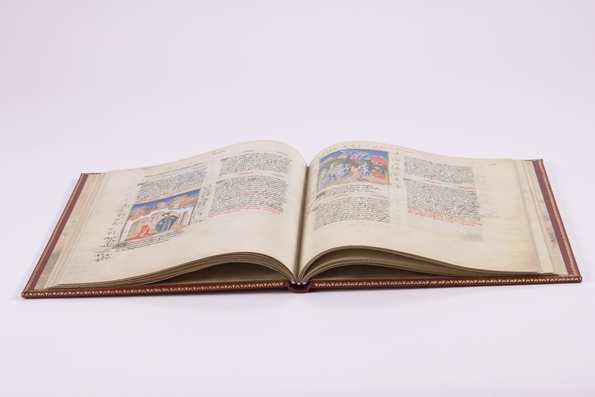
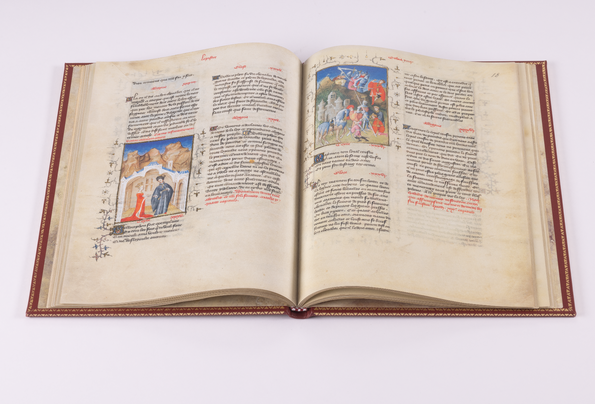
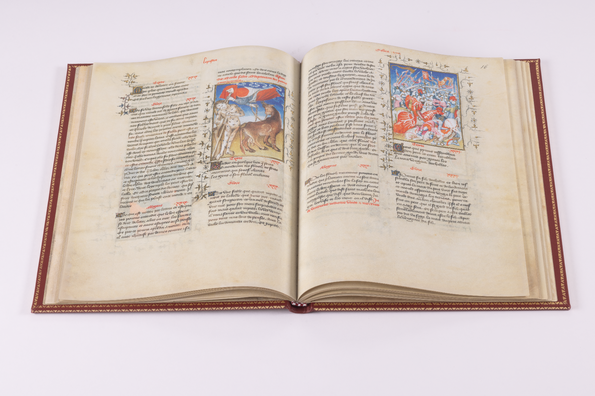
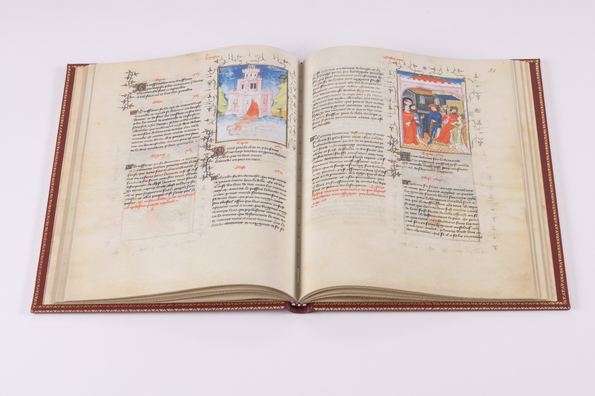
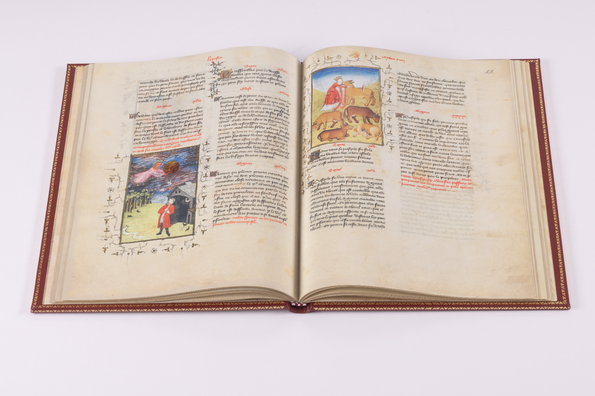
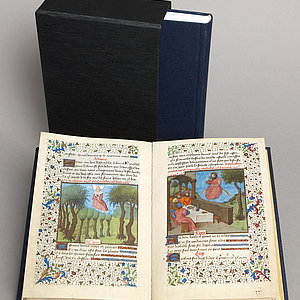
A splendidly illustrated manuscript of the Otheabrief, created in 1406/1407 in Paris, is preserved in the Bibliothèque nationale de France. The 47 leaves showcase scenes from ancient tales, including the Judgment of Paris, the battle between Hector and Achilles, and the transformation of Daphne into a laurel tree. This pictorial world had rarely been illustrated before and attests to the innovative art of book painting during this period.
CHRISTINE DE PIZAN`S ROLE
Christine de Pizan was one of the first known female poets of the Middle Ages and grew up at the French royal court. After the death of her husband, she decided to support her family through her writing rather than enter a convent or remarry. She established herself as a poet in a male-dominated world and gained recognition in courtly circles.
STRUCTURE OF THE OTHEABRIEF
The Otheabrief follows a well-known structure: a central text (the rhymed words of the goddess Othea) is accompanied by a gloss (a brief explanation) and an allegory (a Christian interpretation). Christine de Pizan blends pagan and Christian teachings to instruct her readers about true chivalry and the pursuit of salvation.
THE MINIATURES AND ARTISTS
The manuscript contains 101 miniatures created by various artists. Most of the images were produced by the so-called Othea Master, who is noted for his dynamic, often dramatic style of representation. His work stands apart from the usual colourful and tranquil imagery, showcasing movement and tension at pivotal moments.
"I will tell you my name... to name me correctly, take the name of the most perfect man who ever dwelt on Earth, and add to it the letters I, N, and E. That is all that is necessary."
(Quoted from "Livre de la mutacion de Fortune" by Christine de Pizan)
Characteristics
Pizan – Advice for a Young Hero | |
| Creation Year | 1406/1407 |
| Place of Origin | Paris |
| Library | Bibliothèque nationale de France (BnF), Paris |
| Signature | MS Français 606 |
| Extent | 47 folios |
| Miniatures | 101 miniatures |
| Type of Manuscript | mirror of princes |
| Artist/Workshop | Christine de Pizan |
The Edition
Pizan – Advice for a Young Hero | |
| Format | 13,7cm x 9,5cm |
| Limitation | 900 handnumbered copies |
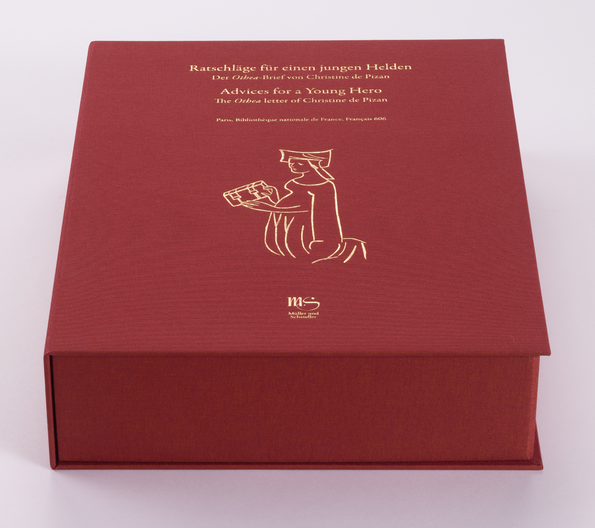
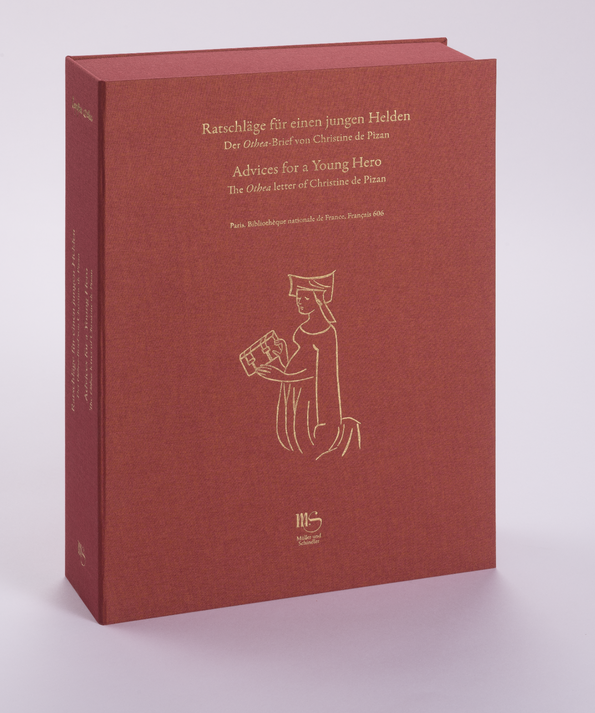
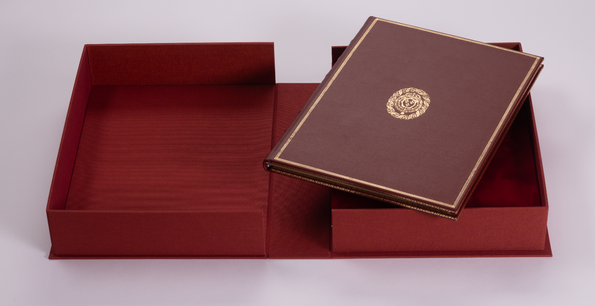
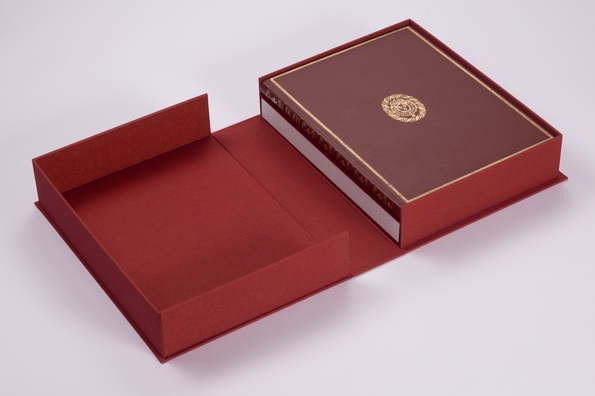
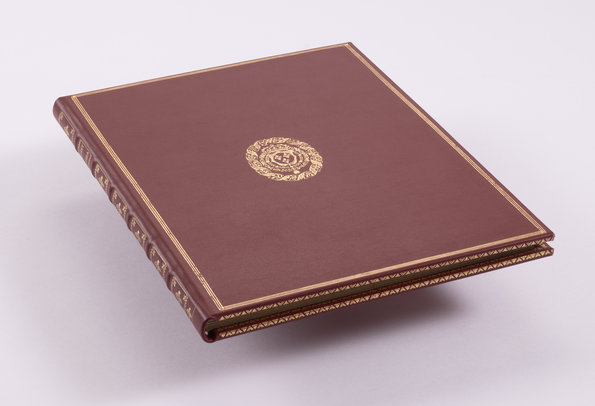
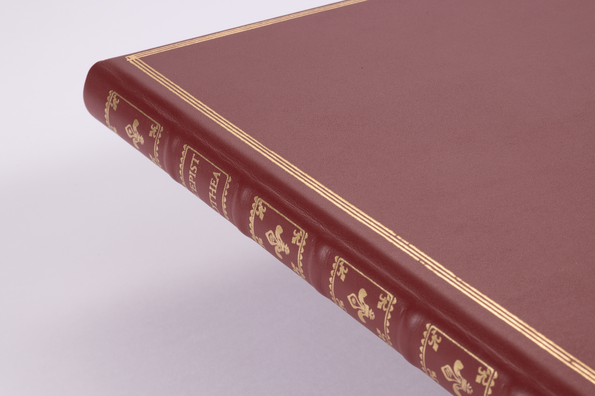
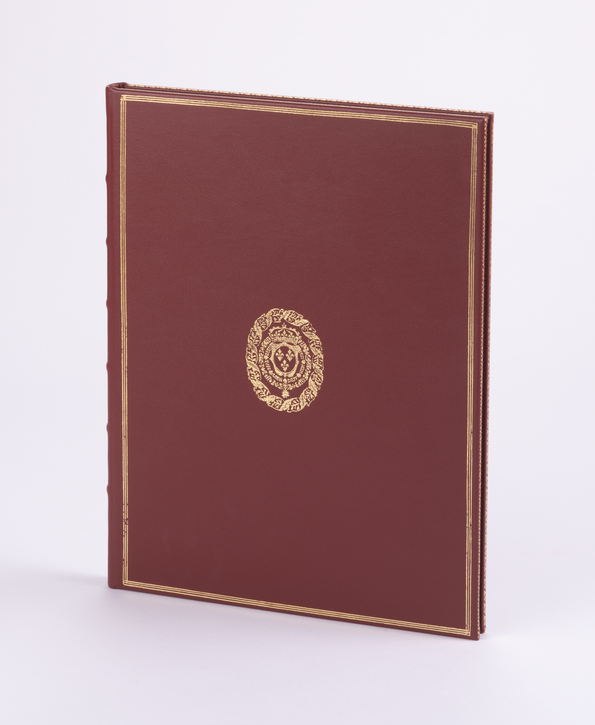
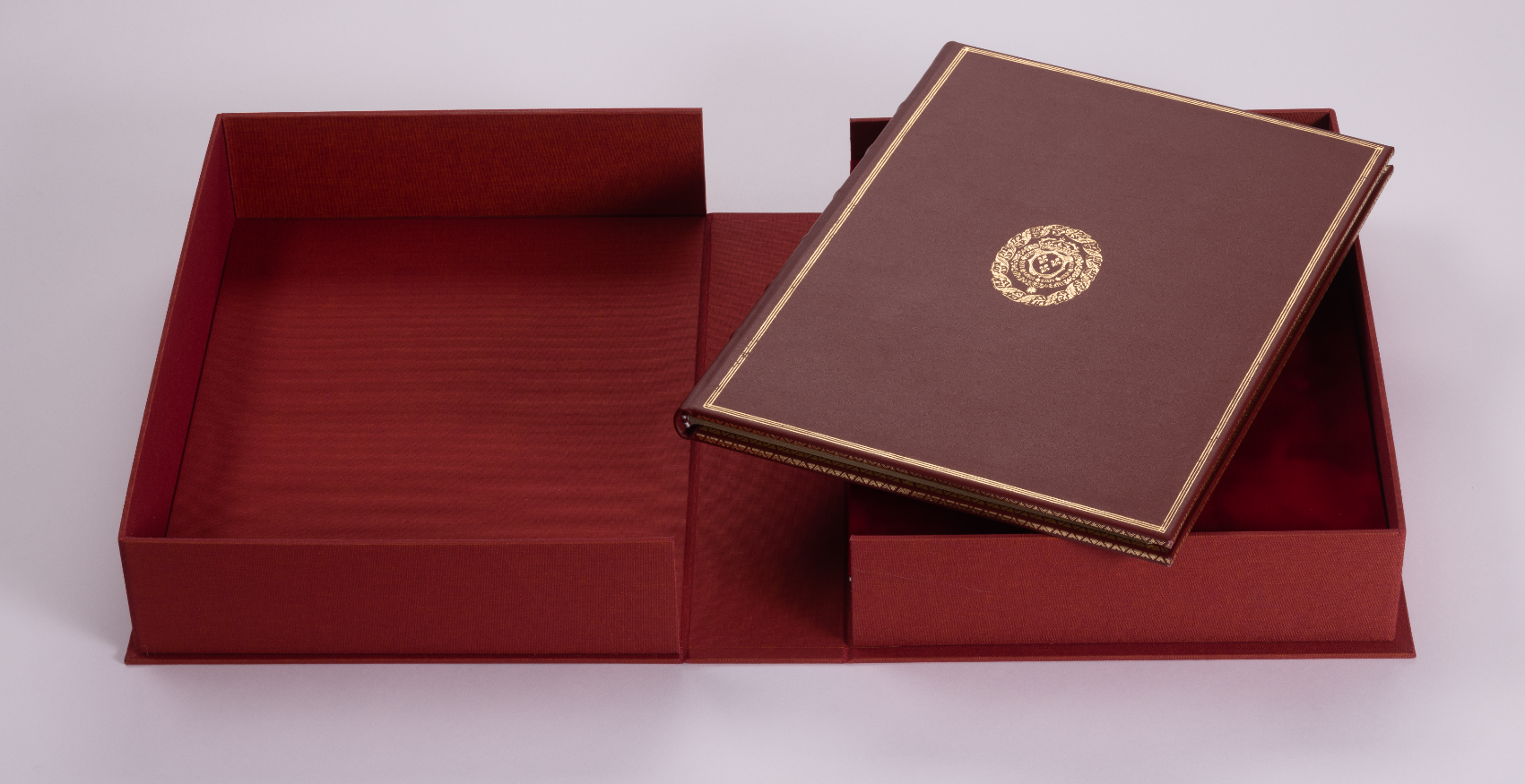
| Binding | Bound in genuine leather covers with rich gold embossing, the volumes are stored in red leather slipcases, also gold-embossed, and delivered in an elegant luxury case. |
| Publisher | Müller und Schindler |
| Item Number | 41030 |
Questions and Answers
Christine de Pizan, one of the first known female poets of the Middle Ages, wrote the Othea letter (Epistre Othea) between 1399 and 1400.
The Othea letter tells the story of the goddess Othea, who gives the young Hector of Troy one hundred pieces of advice to make him a great hero of the Trojan War. These pieces of advice are based on ancient myths and stories.
A magnificently illustrated version of the Othea letter was created in Paris in 1406/1407. It is currently housed in the Bibliothèque nationale de France. The miniatures depict scenes from ancient mythology.
The Othea letter follows a three-part structure: the rhymed verses of the goddess Othea are accompanied by a gloss (a brief explanation) and an allegory (a Christian interpretation).
Most of the miniatures were produced by an anonymous artist known as the Othea Master. Other artists, such as the Safran Master and the Egerton Master, also contributed to the illustrations.
Christine de Pizan was one of the few women in the Middle Ages to establish herself as a writer. After the death of her husband, she managed to assert herself as an author and poet in a male-dominated society, gaining recognition in court circles.
The Othea letter illustrates a connection between pagan myths and Christian teachings. Although the advice comes from the pagan goddess Othea, Christine de Pizan interprets it in a Christian context, showcasing the influence of ancient wisdom on Christian chivalry.
After her husband's death, Christine de Pizan consciously chose against a life in a convent or remarrying. Instead, she utilised her education and her talents as a writer to support her family and carve out a place for herself in the literary world of the French court.
Christine de Pizan's work, including the Othea letter, reflects the humanist trends of her time by connecting ancient teachings with the ideals of Christian morality. This is evident in the intertwining of classical myths and Christian virtues.
The miniatures in the Othea letter are significant not only because they visualise the stories but also because they introduce a novel dynamic visual language. The Othea Master and other artists imbued the images with movement and drama, transcending the usual static representation of medieval art.
"Pizan – Advice for a Young Hero" is available through the Universal Art Group, which offers it as part of its commitment to disseminating culturally and historically significant works.