Van Damme Hours
Van Damme Hours
InquiryVan Damme Hours
A FASCINATING VOLUMNE
The Van Damme Hours, created around 1531 in Bruges, are one of the most beautiful works of the Flemish book art of the 16th century. On 258 pages, in 32 full-page miniatures and twelve richly ornamented calendar pages, a fascinating panorama unfolds in fresh, bright colors: vignettes, which tell of peasant work and aristocratic pleasure; religious scenes that radiate quiet, meditative dignity; lush, velvety landscapes; all wrapped in richly decorated floral decorations. The highly ornamental floral borders are set in fascinating contrast with the one-sided miniatures.
THE CREATION OF A MASTERPIECE
The manuscript contains a selection of texts characteristic of an hour-book; among others, a calendar, the Office of the Virgin, penitential psalms, the litany, and a series of prayers. The magnificent Van Damme Hours are named after its writer, Antonius van Damme (active from 1495 to 1545). Although the painter, as usual, did not leave a signature, the miniatures are attributed to the Flemish book painter and probably the greatest miniature master of the 16th century, Simon Bening (1483-1561).
The Van Damme Hours contain all the stylistic and iconographic elements typical of Bening‘s works: charming calendar scenes, dignified religious scenes, lush landscapes, trompe-l‘oeil edges, and accurate observation of details and textures of everyday objects such as textiles and musical instruments. The twelve calendar pages give a fascinating insight into everyday life in the Flanders of the 16th century.
THE GREATEST CREATOR OF MINIATURES OF HIS TIME
Amoung the masterpieces of Simon Beging who stets from a Family of artists, there is also the so-called Flower-Book of Hours which was the book of Prayer of Cardinal Albrecht von Brandenburg and the Da-Costa Book of Hours.
Bening’s work was based on an unusually big of sources, which reached from the panel paintings from Hugo van der Goes up to the stitches from Schongauer. Furthermore, he had an incredibly creative access to those sources, changing and combining them or enriching them with distinct individual motives. The Van-Damme Hours is another proof of the artistic and innovative force of the great miniature artist.
DEVINE IMAGERY FULL OF DETAILED ILLUSTRATIONS
Saturated reds and blues dominate the wonderful picture worlds of the hourbook. The edges of the manuscript are adorned with flowers in a loose stripe pattern.
BRIGHT LUMINESCENT MINITURES
Bening created incredibly realistic miniatures. It almost seems as if the viewer could enter the picture and touch the figures. “Close-ups”, which place the figures in the miniatures close to the edge of the picture, dramatically reduce the distance between the viewer and the figure, and the viewer also feels emotionally closer to the figure.
Bening is also characterized by its high sensitivity to landscapes and atmosphere. Many small brush strokes compose a texture that makes the landscapes in the manuscript as bright as light.
THE EDITION
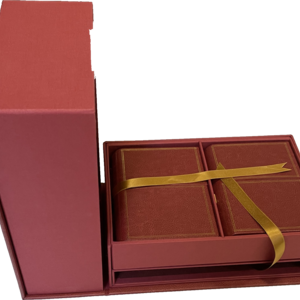
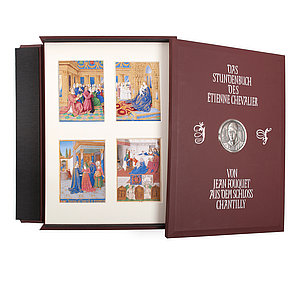
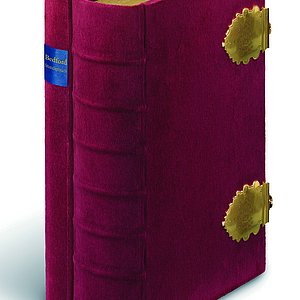
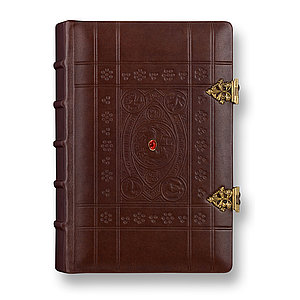
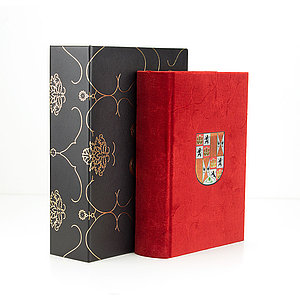
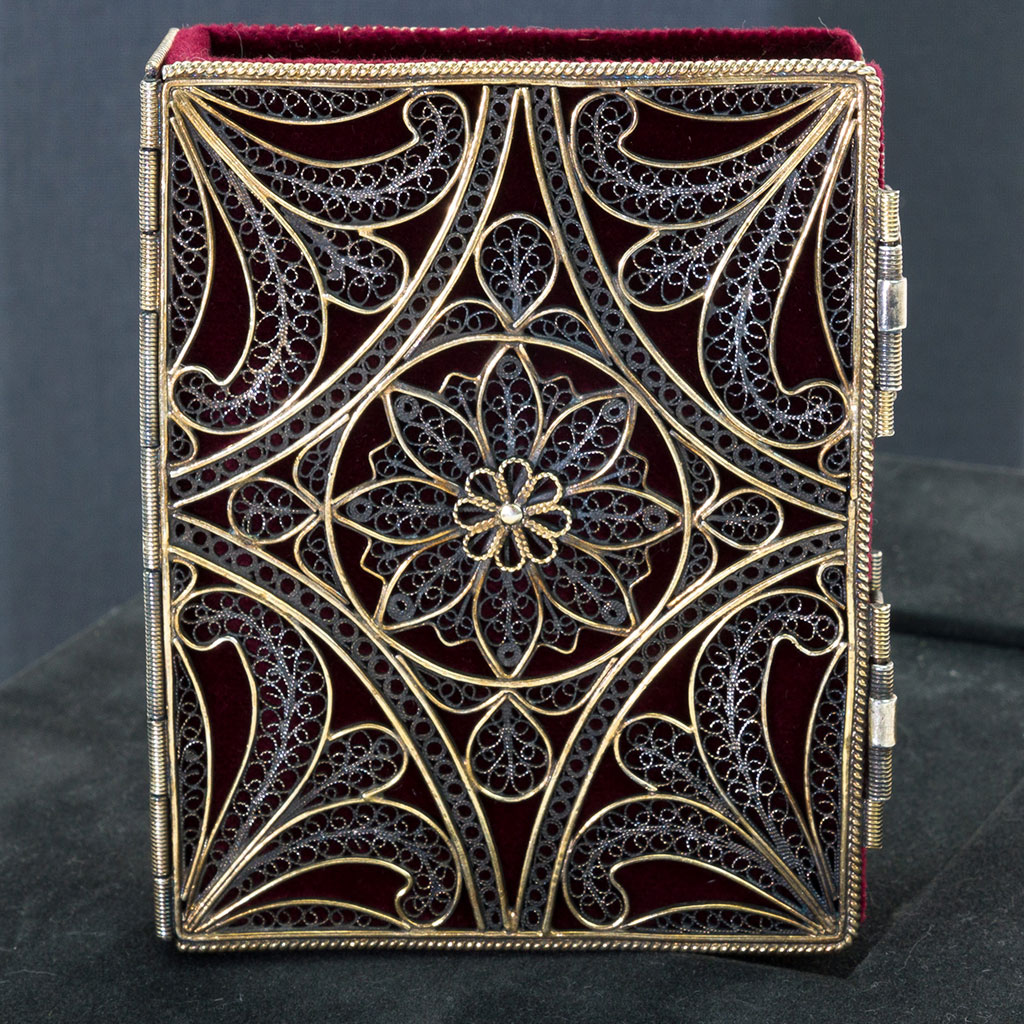
True-to-the-original facsimile edition of the manuscript MS M.451 of the Morgan Library in New York. A total of 32 full-page miniatures, 12 calendar pages, and magnificent trompe l‘oeil borders illustrate the Van Damme Hours on 258 pages in the format of 7.4 x 5.6 cm. The edition is strictly limited to 882 copies worldwide. The cover of the normal edition is made of finest leather with rich gold embossing. The luxury edition, limited to just 98 copies, is bound in a reproduction of the original red velvet cover and is embellished by a genuine replica of the fantastic Venetian silver filigree work. The commentary on the edition is published by Roger S. Wieck, curator for the medieval and renaissance manuscripts of the Morgan Library in New York.
Questions and Answers
What makes the Van Damme Book of Hours an outstanding work of Flemish illumination?
The Van Damme Book of Hours stands out for its vivid colours, intricate miniatures, charming calendar scenes, and lush landscapes. Its richly adorned borders, featuring floral patterns, and the realistic depiction of textures and light add to its magnificence.
Who were the principal figures involved in the creation of the manuscript?
The manuscript was penned by Antonius van Damme, while its miniatures are attributed to Simon Bening, one of the greatest illuminators of the 16th century.
What themes and motifs are depicted in the miniatures of the Van Damme Book of Hours?
The miniatures portray religious scenes, rural labour, aristocratic leisure, and intricate depictions of everyday objects, such as musical instruments and textiles.
What distinguishes Simon Bening’s artistic style?
Simon Bening is celebrated for his charming calendar scenes, vibrant colour palette, and exceptional ability to capture light and atmosphere in landscapes. His realistic figures and dramatic close-ups foster an emotional connection between viewer and subject.
How has the Van Damme Book of Hours been preserved through the centuries?
The first recorded owner was John Strange in the 18th century. After passing through numerous collections, it was acquired by the Pierpont Morgan Library in New York in 1911, where it is catalogued as MS M.451.
How did Simon Bening influence the art of manuscript illumination in his time?
Simon Bening innovatively combined influences from panel painting and engravings, adapting and enriching them with his own elements. His work epitomises the zenith of Flemish book art and redefined the standards of miniature painting.
What unique features do the calendar pages of the Van Damme Book of Hours offer?
The calendar pages, rich in detail, provide a captivating glimpse into 16th-century life, illustrating rural activities and courtly pleasures with remarkable accuracy, all rendered in vibrant reds and blues.